From MMORPG to Incremental Games: Exploring the Evolution of Gaming Genres
The gaming landscape has undergone significant transformations over the years, transitioning from intricate MMORPGs to the seemingly simple yet addictive world of incremental games. As we journey through this evolution, it's essential to understand the factors that have shaped these genres and their impact on players worldwide, including in regions like Bangladesh.
Understanding MMORPGs
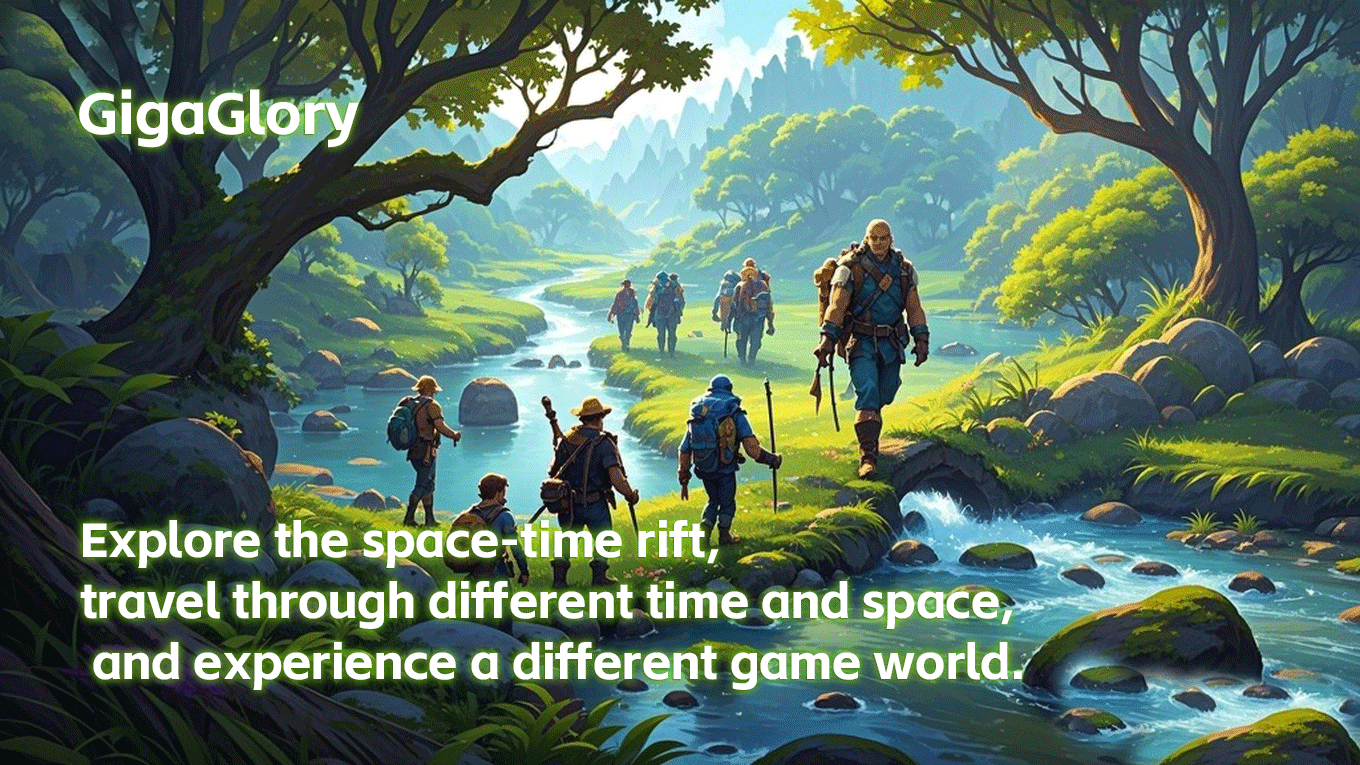
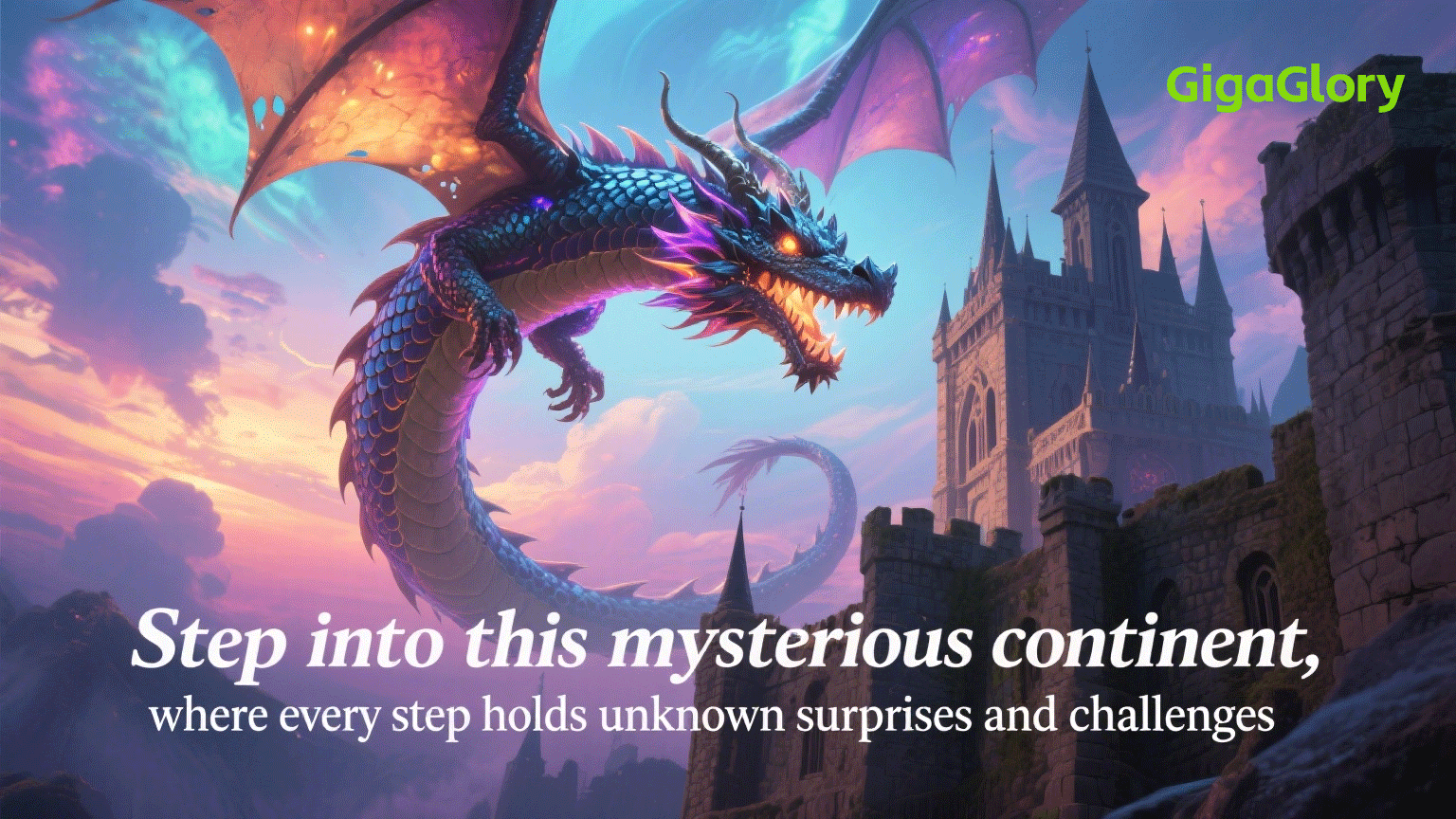
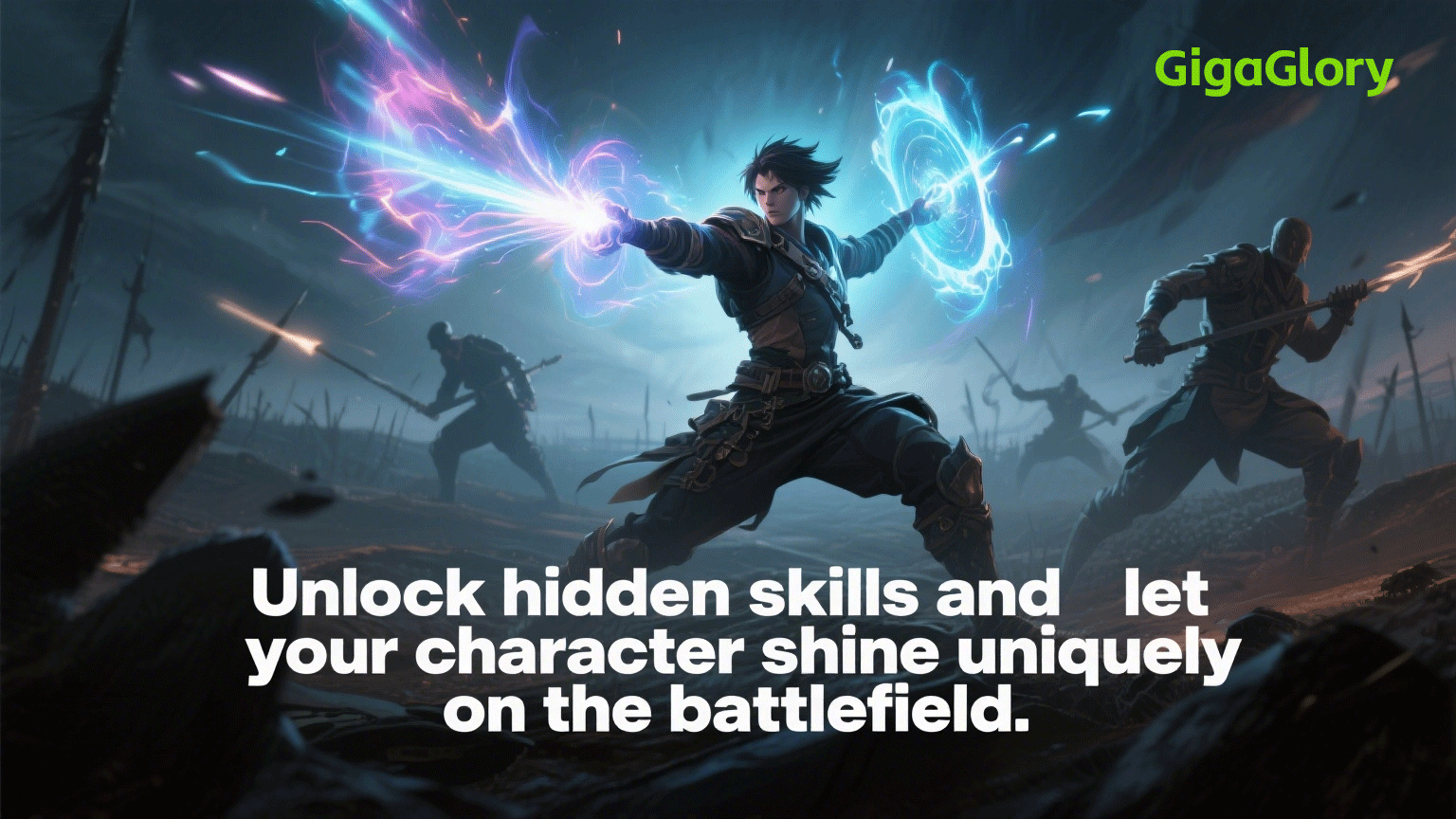
Massively Multiplayer Online Role-Playing Games, or MMORPGs, represent a genre that exploded in popularity at the turn of the millennium. These games offer vast worlds where players can engage in quests, build communities, and develop their characters. Titles like World of Warcraft have defined this genre, drawing millions of players into their immersive experiences.
The Unique Appeal of MMORPGs
- Social Interaction: Players can form friendships and alliances.
- Character Progression: Customization and power progression create a deep sense of satisfaction.
- Expansive Worlds: Exploration in richly constructed worlds is a major draw.
Shifts in Gaming Preferences
As the gaming community evolved, so did player preferences. With increased internet accessibility, gamers began to seek shorter play sessions. This led to the emergence of new genres, particularly incremental games, which required less commitment than traditional MMORPGs.
What Are Incremental Games?
Incremental games, often referred to as clicker games, focus on gradual progress and simple mechanics. They invite players to engage in repetitive tasks that yield increasing rewards over time. Unlike the multifaceted experiences offered by MMORPGs, incremental games appeal to those who enjoy quick, gratifying bursts of play.
Key Elements of Incremental Games
- Simple Mechanics: Players perform simple actions to earn currency, allowing for gradual progress.
- Reward Systems: Games often feature exponential growth, enticing players to keep clicking.
- Idle Features: Players can progress even when not actively playing, an attractive feature for those with busy lives.
Comparing MMORPGs and Incremental Games
| Feature | MMORPGs | Incremental Games |
|---|---|---|
| Player Engagement | High | Moderate |
| Gameplay Duration | Long | Short |
| Community Focus | Strong | Weak |
| Progression Style | Complex | Simple |
The Rise of Mario + Rabbids Kingdom Battle
One of the notable incremental games is Mario + Rabbids Kingdom Battle, blending traditional gameplay with unique puzzles like the Sherbet Desert puzzle. Its success lies in its charming characters and engaging mechanics, demonstrating how even established franchises can explore new gaming dimensions.
Raft Survival Game: A New Horizon
Similarly, games like Raft Survival Game illustrate the ongoing evolution of gaming genres. Combining survival elements with incremental mechanics, players are tasked with surviving on a raft in the ocean while gradually expanding their floating base. This encapsulates the trend of integrating features from various genres to create a more diversified gaming experience.
The Influence of Mobile Gaming
The transition to mobile gaming has significantly boosted the popularity of incremental games. The ability to play anywhere at any time has drawn in players who might not have the opportunity to engage in MMORPGs. As programming has become more accessible, developers can also create games that cater to this audience, making it easier to get started.
Key Takeaways: Evolution of Game Genres
- The shift from MMORPGs to incremental games reflects changing player priorities.
- Gaming experiences have become more accessible, inviting new audiences.
- Mobile platform dominance has driven interest in more casual gaming formats.
Future Trends in Gaming
Looking ahead, the gaming industry continues to innovate. With advances in technology like VR and AR, future genres may blend elements from both MMORPGs and incremental games, leading to hybrid experiences that captivate a broader audience. Developers are tasked with finding the balance between engagement and accessibility to keep players coming back for more.
Conclusion
The evolution from MMORPGs to incremental games showcases the dynamic nature of the gaming industry. As players seek new experiences, developers must adapt, crafting games that cater to their desires while leaving room for creativity. In places like Bangladesh and beyond, this evolution will shape the way players interact with video games, fostering communities and experiences that align with their lifestyles.